





Apex Jiu Jitsu & MMA teaches gi & No-Gi Brazilian Jiu-Jitsu at two Loudoun County academies, Ashburn and Sterling, with Wolf Pups from age 3 at Sterling and kids, youth, teens, and adults at both. Your first class is free, with no experience needed and no payment info required.
What it is
Brazilian Jiu-Jitsu is a grappling art built on mechanics, position, and control. You learn to bring a partner to the mat, hold a dominant position, escape a bad one, and finish with a joint lock or choke, using technique rather than size or strength. The art is designed to make a smaller, weaker person effective, which is why it suits a preschooler and an adult who starts later in life equally well.
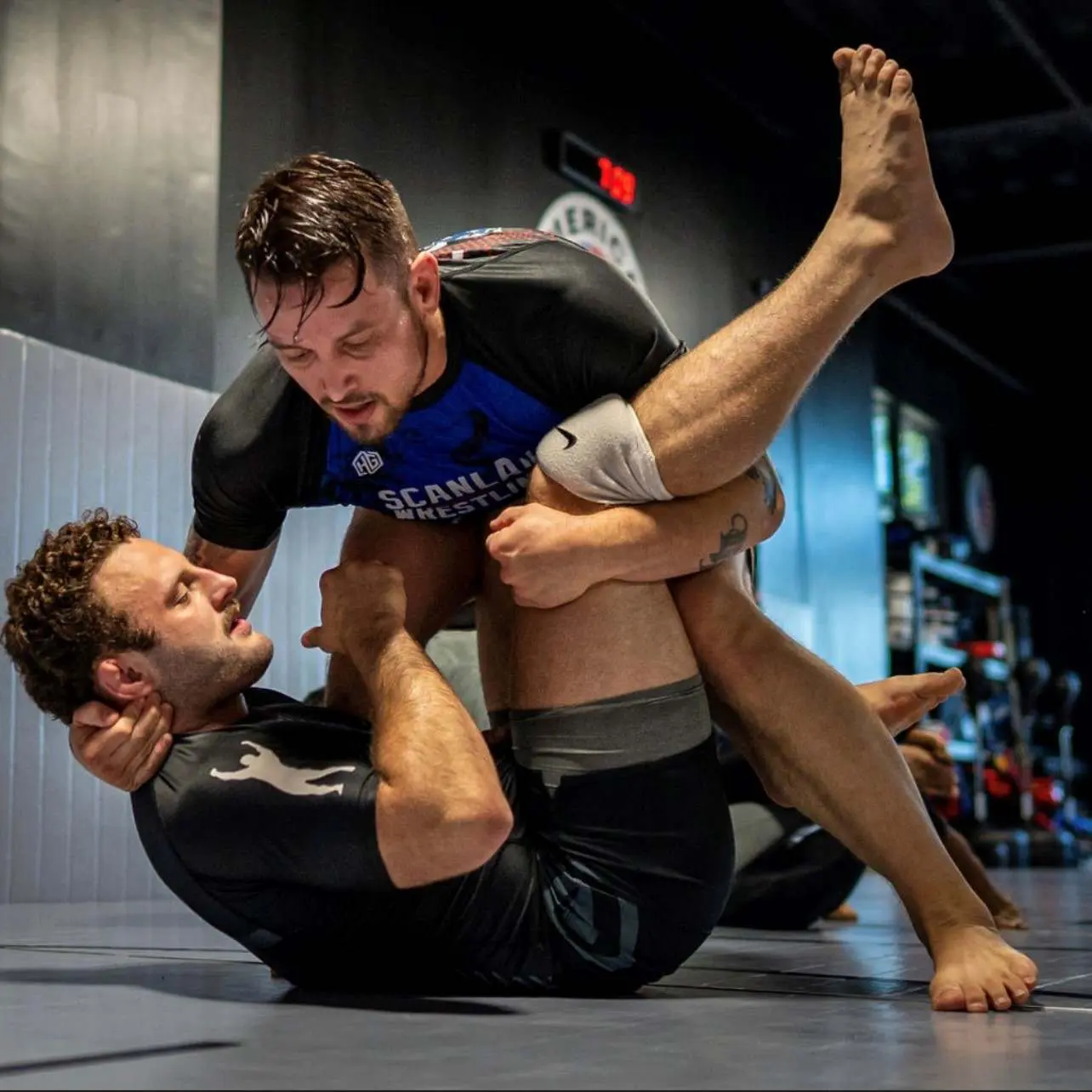
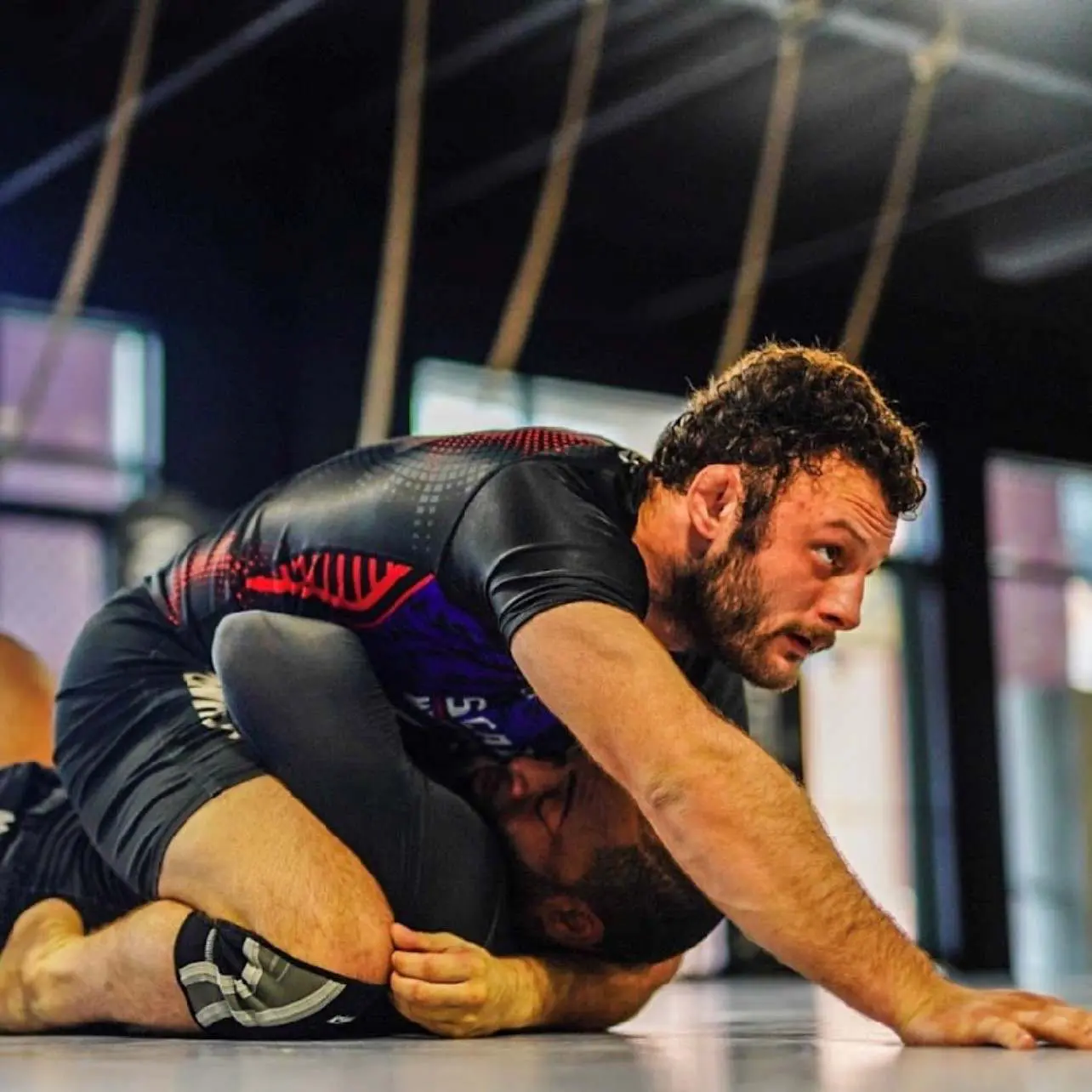
Apex teaches BJJ gi & No-Gi, coached by world champions. The gi is the traditional uniform, and it adds collar and sleeve grips to the game. No-Gi is trained in a rash guard and shorts, which makes it faster and closer to wrestling and MMA. Students get one coaching standard across both academies, two schedules to choose from, and the same belt path wherever they train.
Every class has the same structure: a structured warm-up, technique instruction from the coach, drilling the move with a partner, and live practice at the end, which is optional for beginners. Nobody gets thrown in and told to figure it out. The warm-up includes how to fall safely and how to protect yourself and your training partners, because technique comes before intensity.
Who it is for
Jiu-jitsu at Apex starts at age 3 and runs all the way through adults. Classes are grouped by age, so every student trains with partners and a pace that fit them.
- Wolf Pups (3–6), at Sterling. A playful introduction to grappling that builds coordination, listening skills, and confidence through games and guided movement. Classes are 30 minutes.
- Kids (6–9). Real self-defense skills in a structured, supportive setting that builds discipline, focus, and confidence around bullying.
- Youth (10–13). Real technique and live training with partners their own age. Youth trains during the Kids mat time, and the coach splits the room so a 7-year-old and a 12-year-old are not paired together.
- Teens (14–17). Technique and live training that prepare teens for adult classes and competition. Teens train at the adult class times with the room split by the coach, and teens new to BJJ start in Teen BJJ Fundamentals.
- Adults (18+). Classes for every level, from a first day on the mat to black belt, plus a dedicated fundamentals class for newcomers.
Kids, Youth, Teens, and Adults train at both academies. Wolf Pups is a Sterling class.
Age bands are guidance, not walls. Coaches adjust placement by size, maturity, and experience, and they place each student in the group where that student fits.
Parents choose kids jiu-jitsu for different reasons, and the booking form asks which goal is your priority: building confidence, improving focus and discipline, getting them moving and off screens, learning real self-defense, or sharpening competition skills.
Adults come in with just as many goals. People start for fitness, for self-defense, for stress relief, or to compete, and the same classes serve all of them. Competition is fully optional, and there is an active BJJ competition team for anyone who wants one.
What a first class looks like
Book the class online so the coach knows you are coming, and you will get a text confirmation. Plan to arrive about 10 minutes early.
When you walk in, you fill out a short waiver if you have not already, then take your shoes off at the edge of the mat. The coach will ask two questions: have you trained anything before, and is there anything physical we should know about. You get a quick tour and meet the experienced partner you will work with, someone who knows how to train with new students.
The class opens with the warm-up. Then the coach demonstrates a technique, and you and your partner take turns drilling it, slowly and with plenty of repetitions. Tell the coach about any injury or condition beforehand, since every technique can be modified and every drill can be scaled.
Near the end, students roll, which is the jiu-jitsu word for live sparring. On your first day, that part is your choice. You can try a round with the coach or an experienced student who will go very light, or you can keep drilling instead. The coach will ask rather than assume. Tapping ends any exchange: two taps on your partner or on the mat, and everything stops immediately.
After class, the academy walks you through the options and helps you find a plan that fits your goals, with no high-pressure sales. Kids follow the same basic flow, with the pace and the partners set for their age group.
Coaches
At Apex Jiu Jitsu & MMA Ashburn
39 classes a week
- Adult No-Gi Jiu Jitsu · Mon, Wed, Fri 7:00 AM; Mon, Tue, Wed, Thu, Fri 12:00 PM; Mon, Tue, Wed, Thu, Fri 7:00 PM
- Teens No-Gi BJJ · Mon, Wed, Fri 7:00 AM; Mon, Tue, Wed, Thu, Fri 12:00 PM; Mon, Tue, Wed, Thu, Fri 7:00 PM; Sat 10:00 AM
- Adult Beginners No-Gi Grappling · Mon, Wed, Fri 6:00 PM
- Teens No-Gi BJJ Fundamentals · Mon, Wed, Fri 6:00 PM
- Kids No-Gi BJJ · Tue, Thu 5:00 PM; Sat 10:00 AM
- Youth No-Gi BJJ · Tue, Thu 5:00 PM; Sat 10:00 AM
Age bands: Adults 18+, Kids 6-9, Youth 10-13, Teens 14-17
At Apex Jiu Jitsu & MMA Sterling
48 classes a week
- Adult BJJ · Mon, Fri 12:00 PM; Mon, Wed, Fri 6:30 PM; Wed 7:00 AM
- Teens BJJ · Mon, Fri 12:00 PM; Mon, Wed, Fri 6:30 PM; Wed 7:00 AM
- Wolf Pups BJJ · Mon, Tue, Wed, Thu 5:00 PM
- Adult BJJ - Fundamentals Gi · Mon, Wed, Fri 5:30 PM
- Kids BJJ - Gi · Mon, Wed 5:30 PM
- Teens BJJ - Fundamentals Gi · Mon, Wed, Fri 5:30 PM
- Youth BJJ - Gi · Mon, Wed 5:30 PM
- Adult BJJ No-Gi · Tue, Thu 7:00 AM; Tue, Thu 12:00 PM; Tue, Thu 6:30 PM; Sat 10:00 AM
- Teens BJJ No-Gi · Tue, Thu 7:00 AM; Tue, Thu 12:00 PM; Tue, Thu 6:30 PM; Sat 10:00 AM
- Kids BJJ No-Gi · Tue, Thu 5:30 PM; Sat 10:00 AM
- Youth BJJ No-Gi · Tue, Thu 5:30 PM; Sat 10:00 AM
- Adult BJJ - Fundamentals No-Gi · Thu 5:30 PM
- Teens BJJ - Fundamentals No-Gi · Thu 5:30 PM
Age bands: Adults 18+, Wolf Pups 3-6, Kids 6-9, Youth 10-13, Teens 14-17
Questions about Brazilian Jiu-Jitsu Classes
What is the difference between gi and No-Gi jiu-jitsu?
The gi is a heavy jacket and pants, so you can grip collars and sleeves, which slows the game down and rewards patient control. No-Gi is trained in a rash guard and shorts, with grips on the body and head instead, so exchanges are faster and closer to wrestling. The positions and principles are the same. Apex teaches both to the same standard; the academy sections on this page show which classes run where.
What should I wear to my first jiu-jitsu class?
Comfortable athletic clothing: shorts or leggings and a t-shirt or rash guard. Skip anything with zippers, buttons, or pockets, since they can catch and cause injury on the mats. If your first class is a gi class, the academy lends you a gi for the trial. Bring a water bottle and a towel, and trim your nails. There is a pro shop on site when you are ready for your own gear.
Is there a class for adults who have never trained?
Yes. Both academies run a fundamentals class built entirely for new students: core positions, escapes, and control, taught step by step. At Ashburn it is called Beginners No-Gi Grappling, and at Sterling it is BJJ Fundamentals, in gi and No-Gi versions. The booking flow asks about experience so it can point you at the right first class.
Where does a six-year-old start in jiu-jitsu?
Age six is a deliberate overlap at Sterling. A six-year-old who is new to jiu-jitsu starts in Wolf Pups, and one who has already trained joins Kids BJJ. At Ashburn, Kids BJJ begins at six, so every six-year-old starts there. Either way, bands guide placement, and coaches adjust for size, maturity, and experience once a child is on the mat.
How do belts and promotions work?
Apex follows the standard jiu-jitsu belt system, white, blue, purple, brown, and black, with stripes marking progress between belts. Promotions are based on technique, consistency, and mat time, not on showing up for a test. Your coach lets you know when you are ready. Along the way, coaches use stripes, verbal feedback, and regular check-ins so you always know where you stand.
Do ladies train in the regular jiu-jitsu classes?
Yes. Ladies train in every adult class Apex runs, and the first class pairs every newcomer with an experienced partner who knows how to work with new students. There is no standalone ladies-only class on the schedule right now. If one is added, it will show on the class schedule first, so that is the place to check.
How many times a week should a beginner train?
Two to three classes a week is the recommendation for beginners. That is enough to remember what you learned last time without wearing yourself out. Many committed members train four to six days a week, but consistency matters more than volume: three classes a week beats one intense session. Most students notice changes within the first four to six weeks.
Train at either Apex academy
Choose Ashburn or Sterling, and find the schedule that fits your week.